Real estate & construction · Amsterdam & Accra
Houses to buy, to rent,and to build.
Regican Company Ltd is a real estate and construction company working across Ghana and West Africa. We sell completed houses, apartments and serviced plots, we let property short and long term, and we build — conventionally, and with container and modular systems that go up in weeks rather than years.
Where would you like to start
Three ways we work with you.
Buy
Completed houses, apartments and serviced plots across Greater Accra and beyond, with title verified before anything is listed and a written schedule of what the price includes.
Property for sale → 02Rent
Homes, apartments, short-let cabins, offices and staff accommodation to let, furnished or unfurnished, short or long term, with maintenance handled under the tenancy.
Property to let → 03Build
We build to order on your land or ours — conventional construction where it suits, container and modular where speed and a fixed price matter. Interiors and external works included or taken on alone.
How we build →We also buy. If you have a property or a plot to sell in Greater Accra, we will look at it.
Available now · Greater Accra
Detached family house, for sale.
A completed two-storey house on a walled and gated compound, finished to move-in standard with an internal garage, fitted kitchen and air conditioning throughout. Viewings by arrangement.
Exterior walkaround — compound, boundary wall and approach.
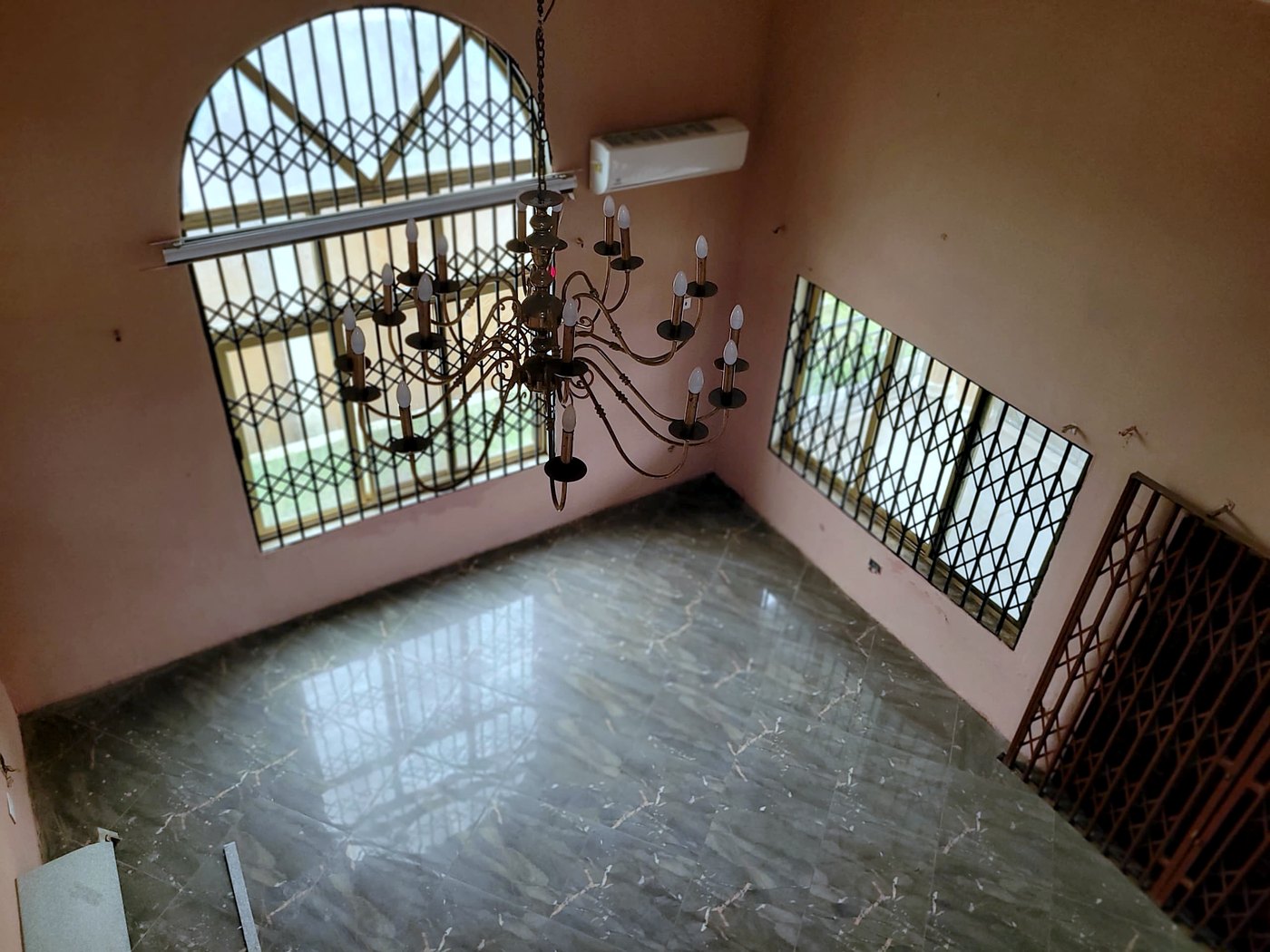
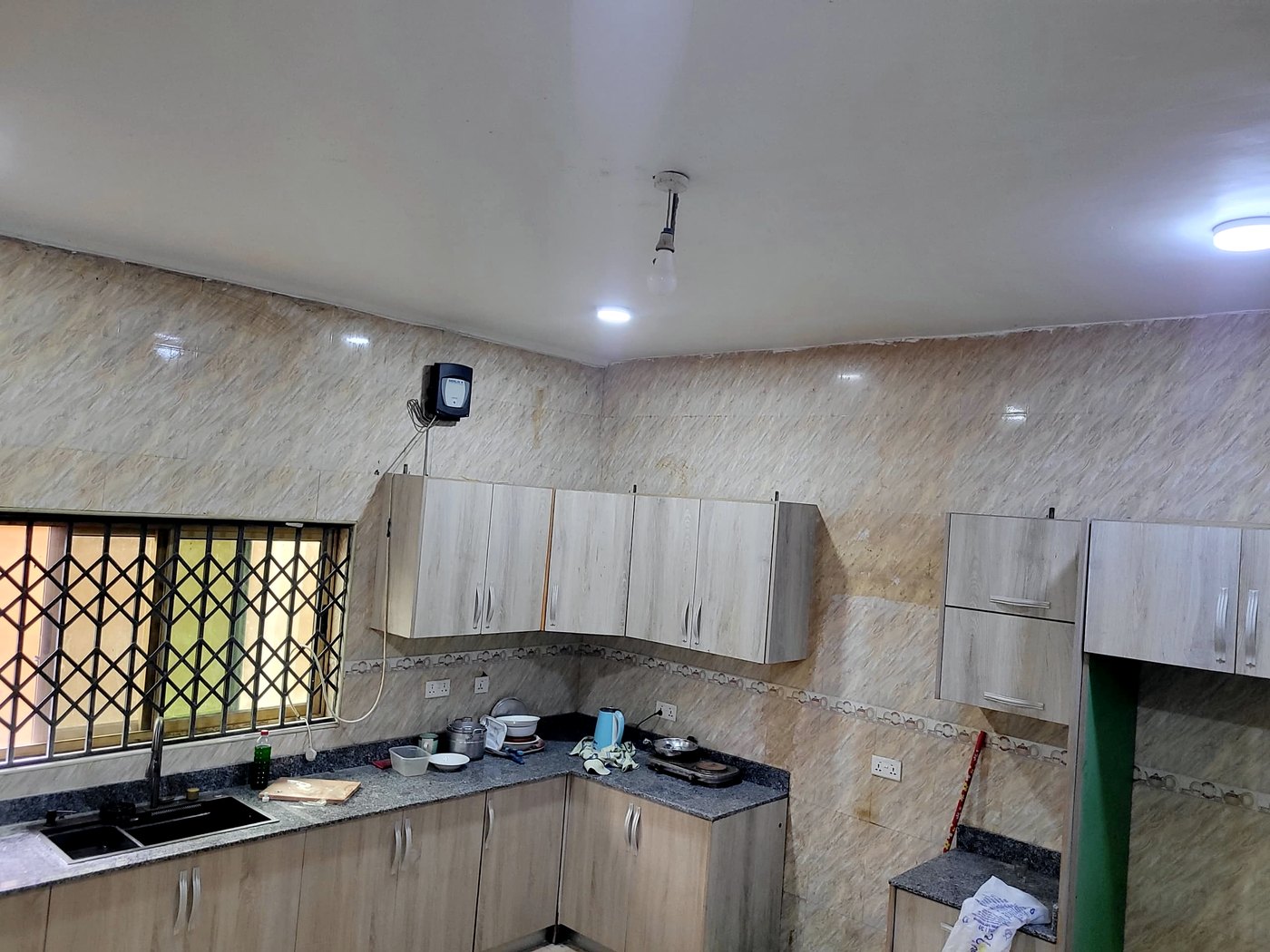
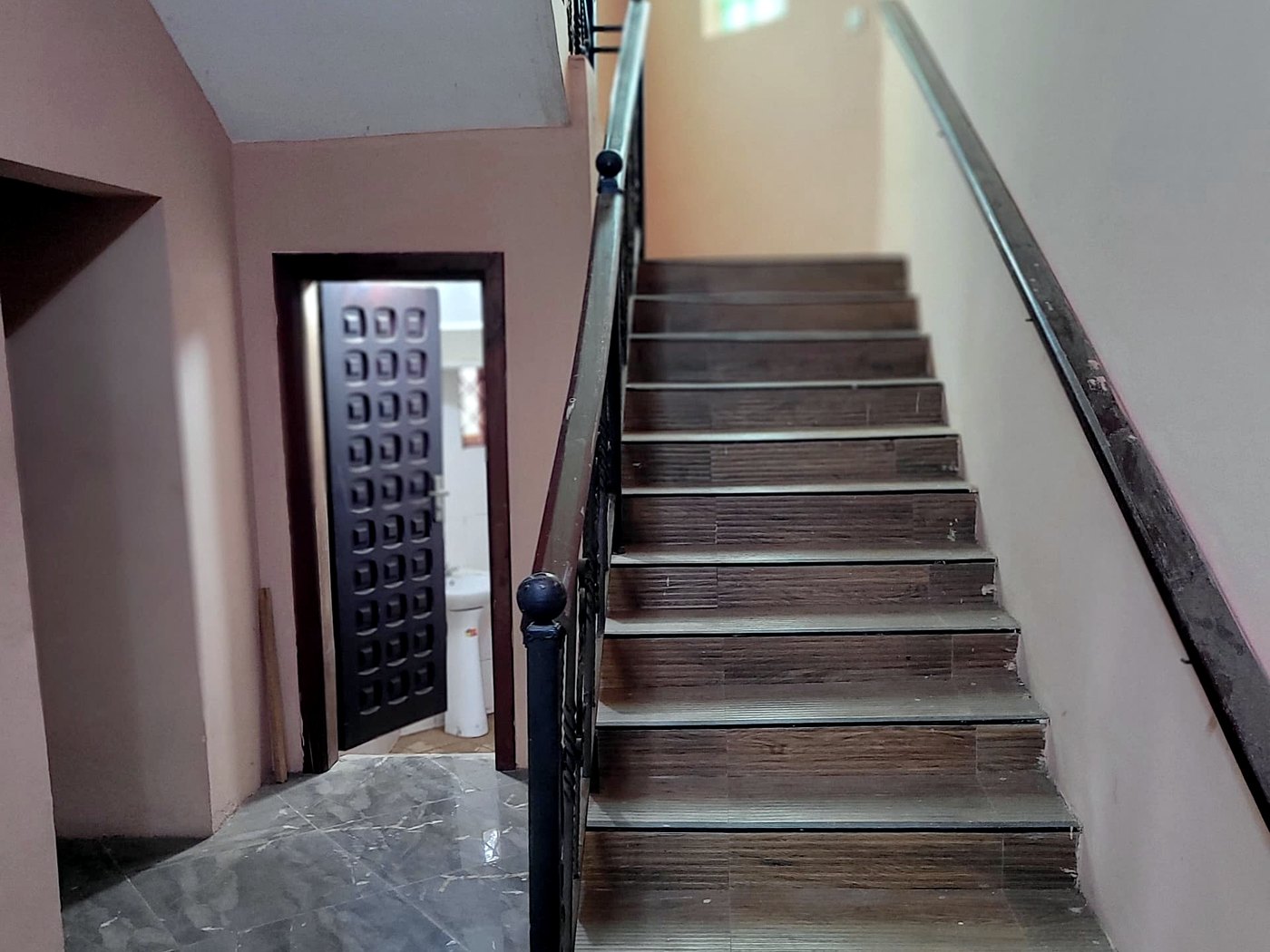
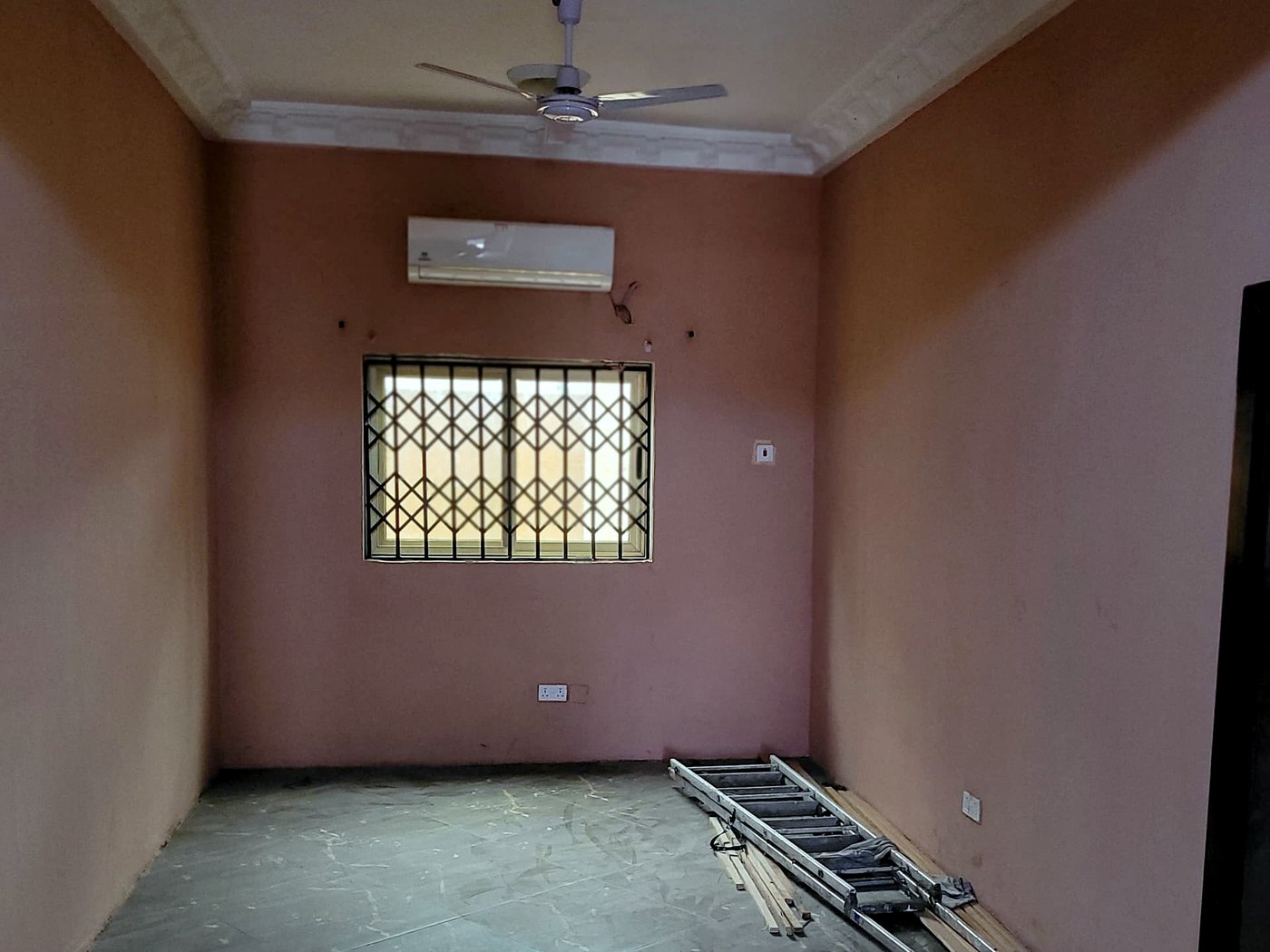
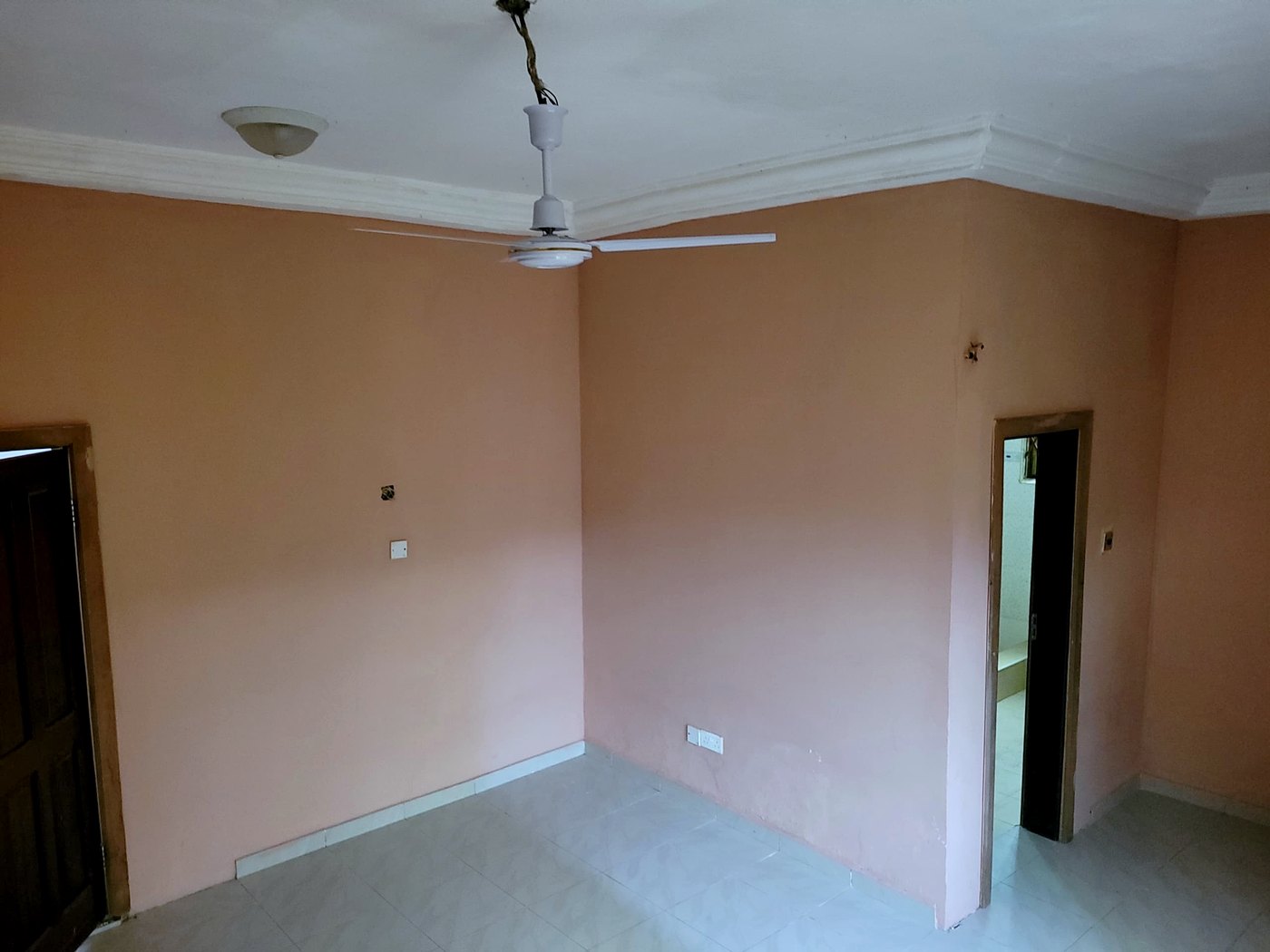
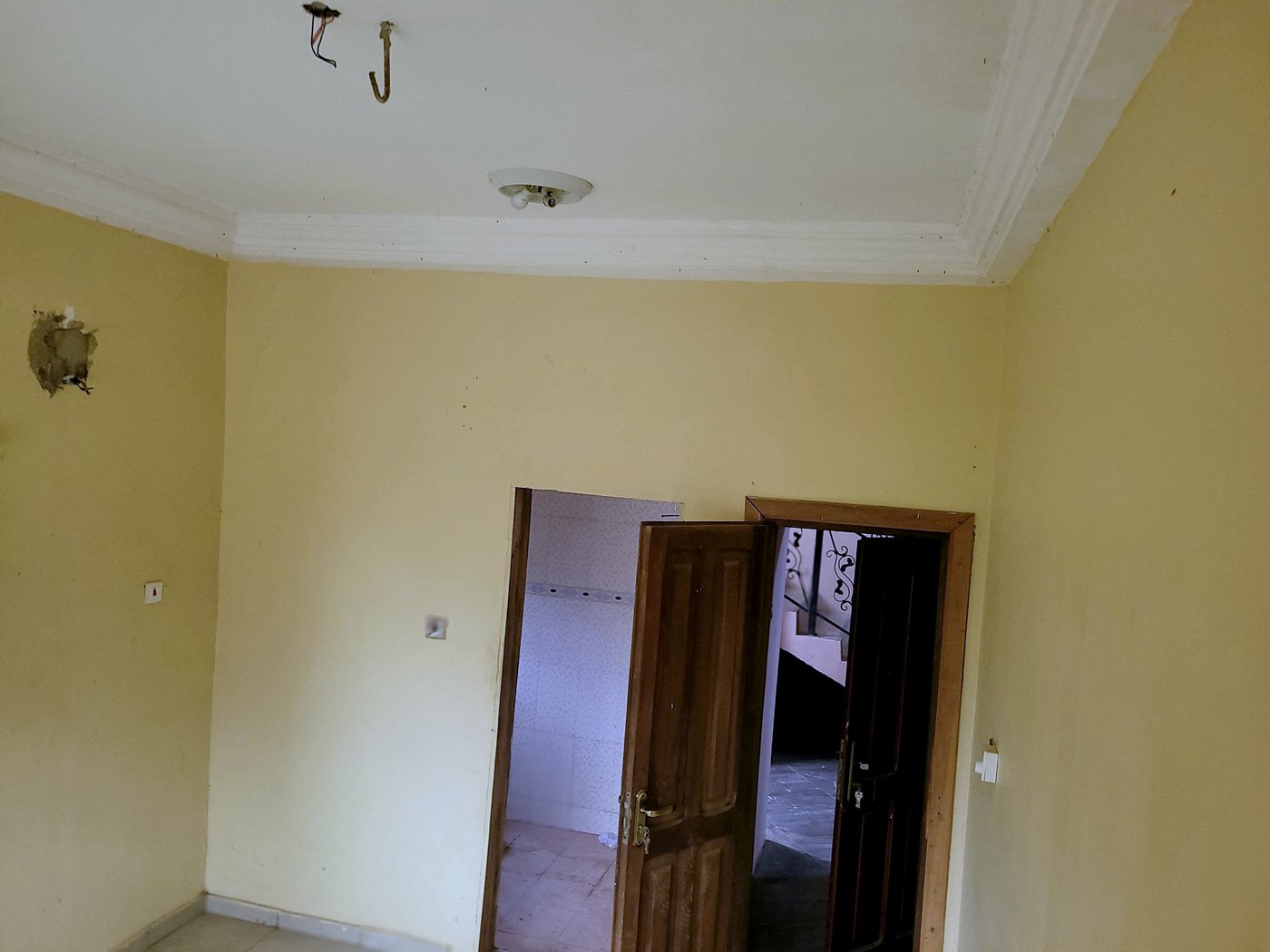
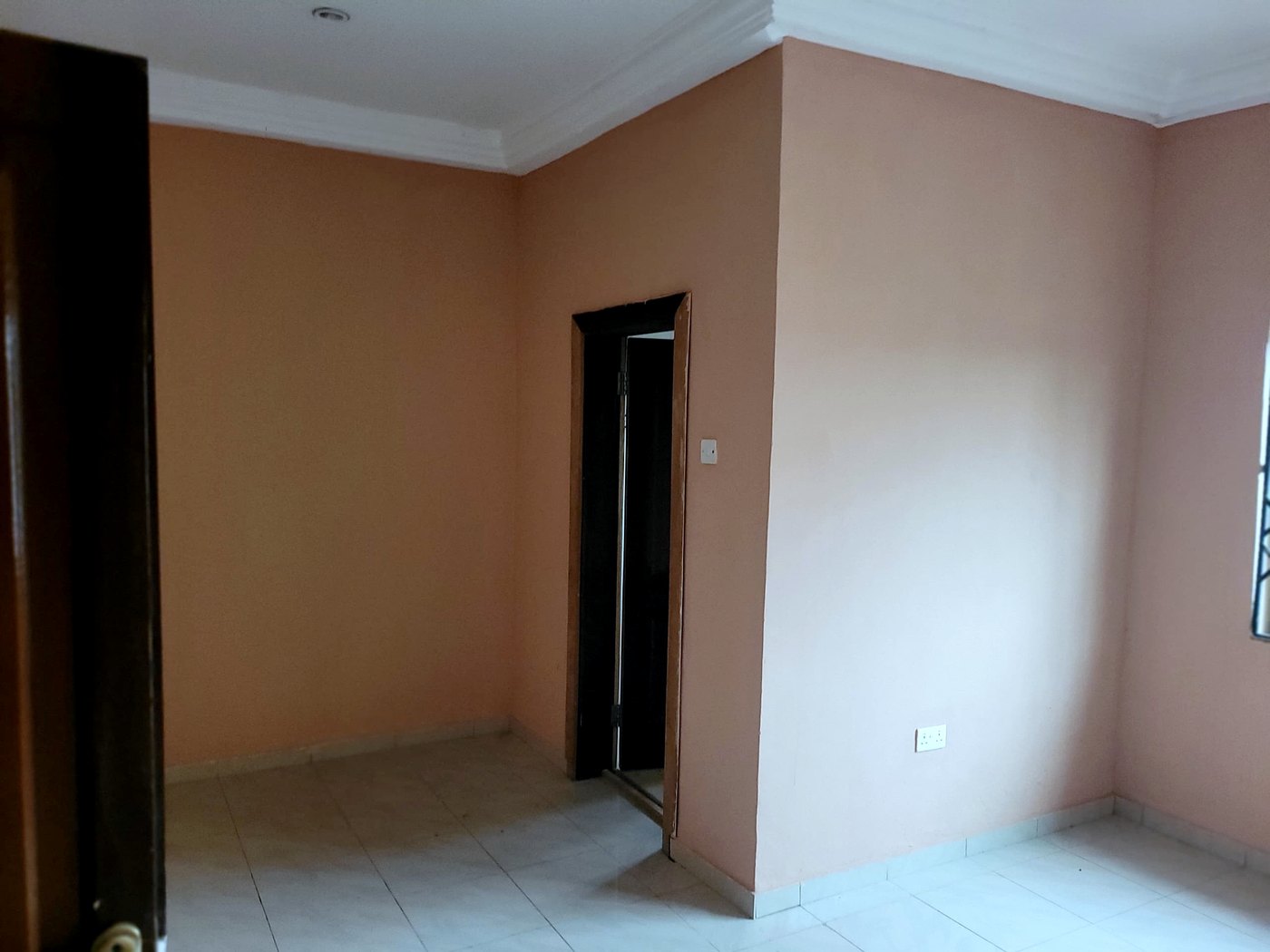
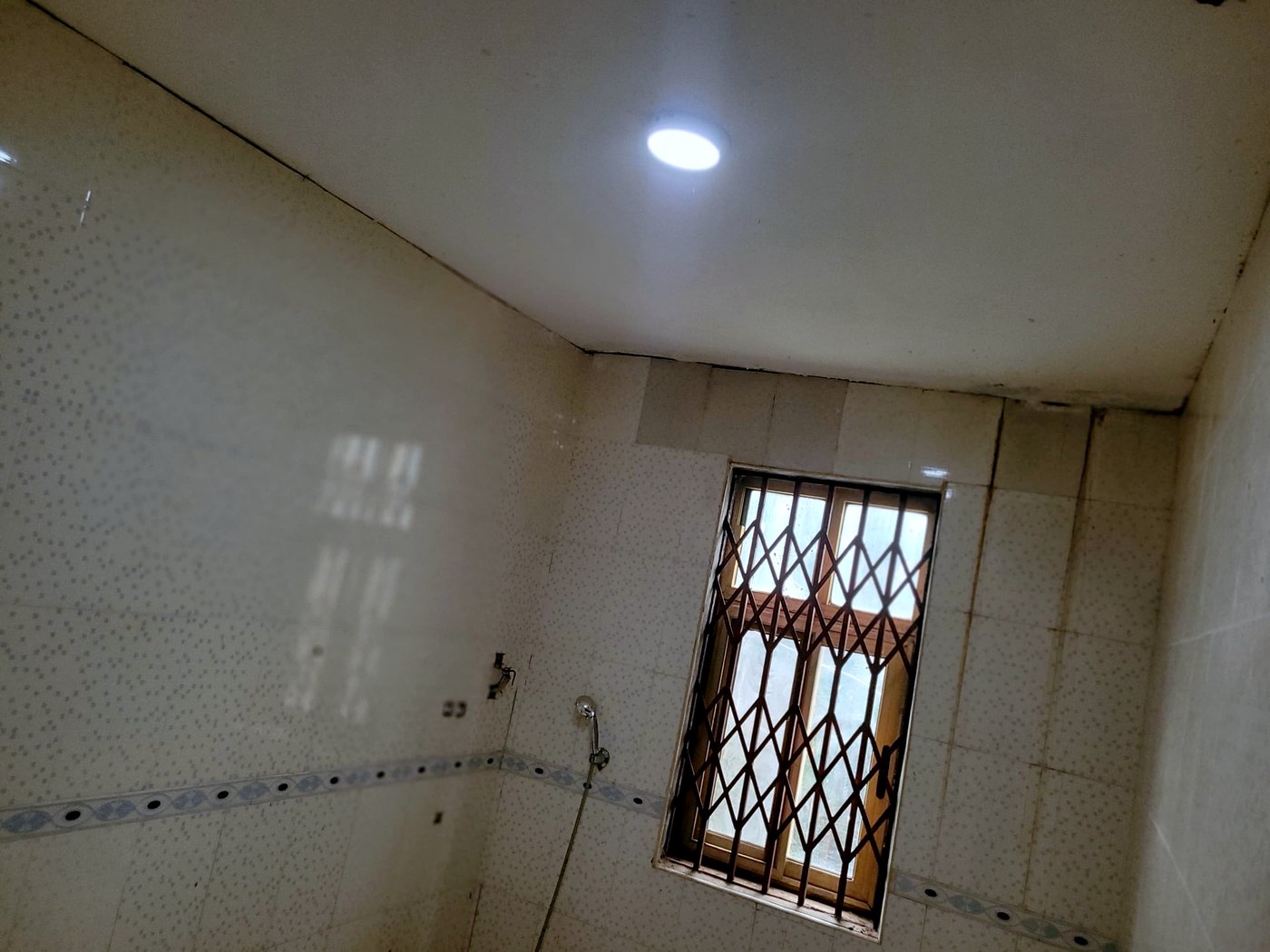
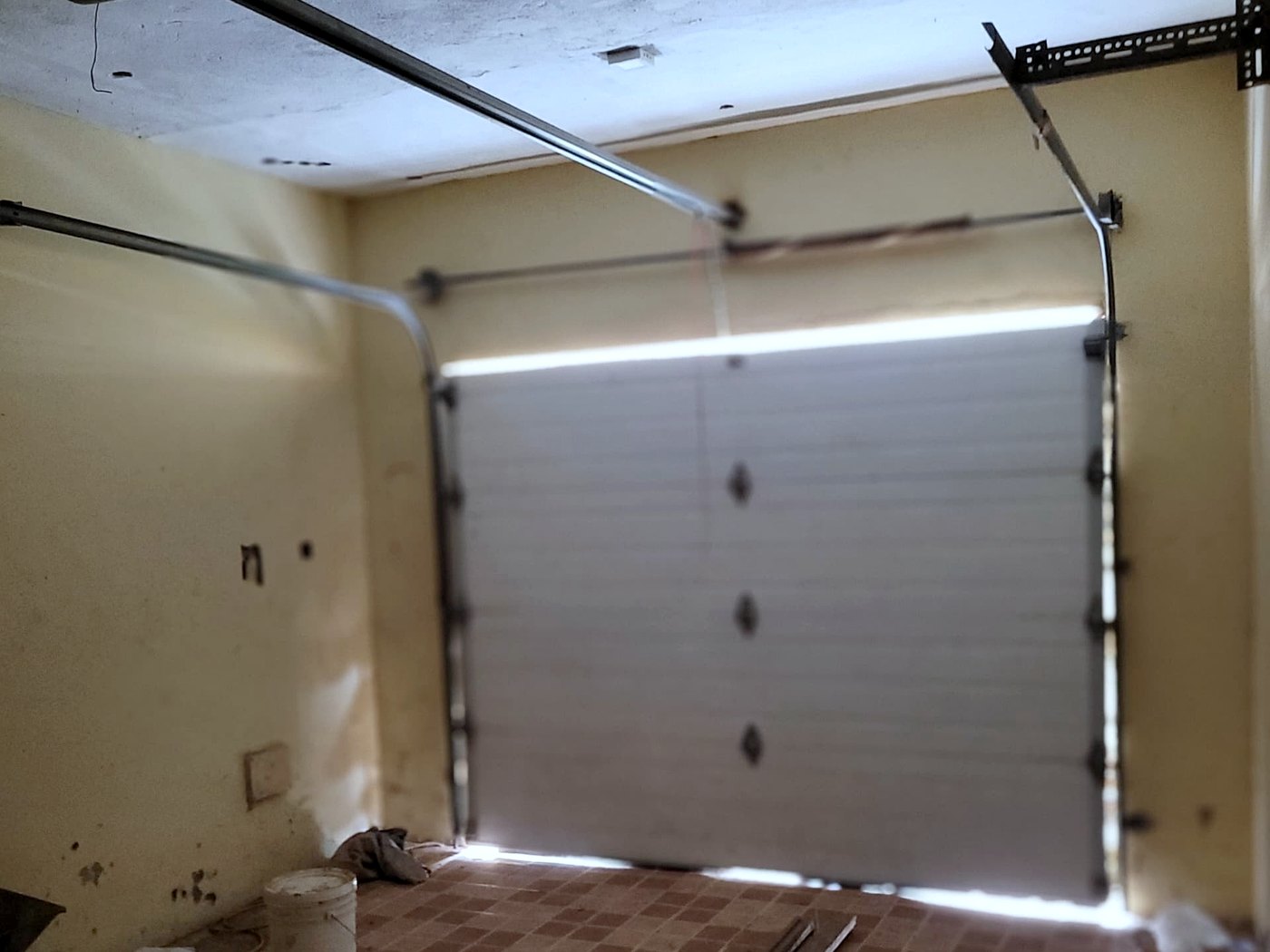
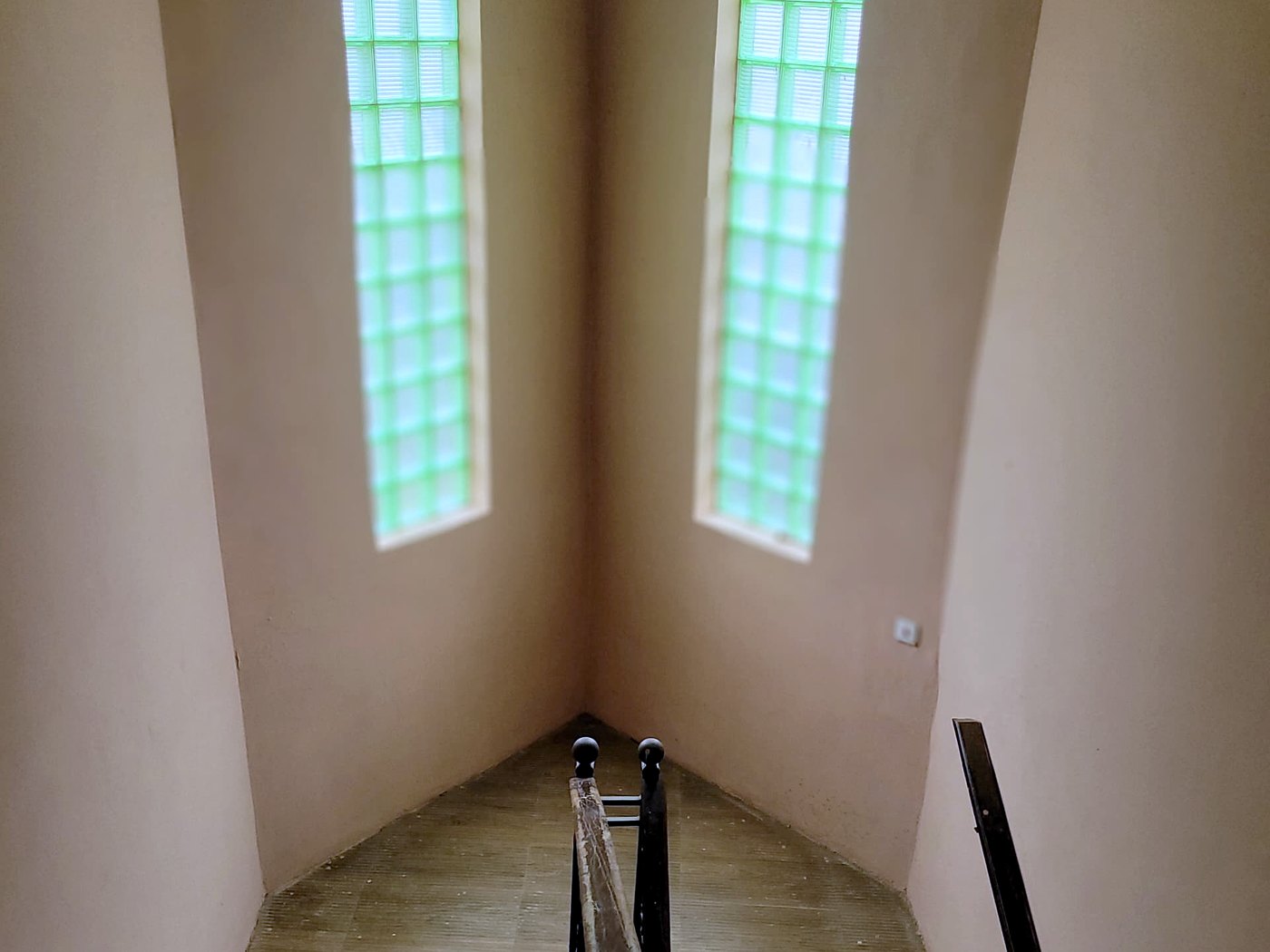
Photographed on site. Rooms shown unfurnished; some images show final finishing works in progress.
Why modular
A building is a promise about time, cost and quality.
Conventional construction in Ghana struggles to keep all three at once. Moving the work off the plot and into a controlled yard is what makes them keepable together.
40–60% faster
Fabrication continues through the rains. Only 3–10 days of the programme happen on your plot.
Fixed before you commit
Materials bought against a cut list, not estimated across a three-year build exposed to cement prices.
Set in one place
Partner QA protocols, independent structural inspection and supervisor sign-off against a standard checklist.
Inside the yard
This is where the building actually happens.
Cutting, structural reinforcement, insulation, electrical and plumbing rough-in and inspection — all under one supervised roof in Greater Accra. By the time a module reaches your site it is a finished building looking for a foundation.
Inside a module
Seven steps from a shipping container to a finished room.
This is the part clients never see and partners always ask about. Step through it, or let it run. The cutaway removes the near wall so you can watch the layers build up inside.
- Container inA decommissioned 40-foot marine container arrives at the yard. Structural survey, de-rusting and floor inspection before anything is cut.
- Openings cutWindow and door openings are plasma-cut to the drawing. Cutting a container removes load path, which is why the next step is not optional.
- Steel reinforcementEvery opening is framed in box section and welded back into the corner posts, restoring the structure the cut removed.
- InsulationClosed-cell insulation and a thermal break line the shell. In Ghana this is what makes the difference between a building and an oven.
- Services roughed inElectrical conduit, distribution board, water supply and drainage are run inside the wall build-up, solar-ready from the start.
- Interior liningWall and ceiling boards, flooring, and the finish tier the client selected. The building is finished before it leaves us.
- Glazing and handoverWindows, doors and seals fitted, services commissioned, checklist signed. It leaves the yard as a building, not a kit.
What we build
Thirteen product lines, assembled from the same modules.
Which is why a clinic and a hostel share a price structure and a programme. Dimensions follow ISO containers — 12.2 m for a forty-foot unit, 6.1 m for a twenty.
Homes
One to four bedrooms, single or multi-container, standard to luxury finish. 6–16 weeks.
Clinics
CHPS-compound modules, wards and isolation units for Ghana Health Service and NGO programmes. 8–14 weeks.
Accommodation
Student hostels and camp-style staff housing for mining and industrial operators. 8–22 weeks.
Workplaces
Retail rows, restaurants, offices, security buildings and container malls. 2–30 weeks.
Illustrative photographs of container and modular construction, shown to indicate build type and finish. Regican Company Ltd is newly formed — these are not photographs of Regican projects.
Configurator preview
Turn it around before you commit to it.
Every quotation we issue comes with a model like this one. Pick a configuration, drag to rotate, and pull the modules apart to see how the building is put together.
The full range
Every line, and how long it takes.
Delivery windows run from contract signature to handover.
Modular vs. conventional
What changes when the factory comes first.
The solid orange segment is the 3–10 days of on-site work. Everything before it happens under cover at the Accra yard, where rain, plant hire and site labour stop being your programme risk.
| Dimension | Block & brick | Regican modular |
|---|---|---|
| Programme | 9–18 months, routinely 30–50% beyond estimate | 40–60% faster; fabrication continues through the rains |
| Cost certainty | Exposed to cement and steel price moves over a long build | Fixed-price contract, materials bought against a cut list |
| Waste | Typically 10–20% of purchased material, billed to the client | Cut and assembled to specification in a controlled yard |
| Quality | Varies crew to crew, unit to unit on the same project | One supervised facility, partner QA protocols, checklist sign-off |
| Expansion | Extending means breaking and rebuilding | Add modules as needs and budget grow |
| Relocation | Fixed to the plot permanently | Container units can be lifted, moved or resold |
| Footprint | High embodied carbon from cement; open-site spoilage | Recycled steel base, less concrete, solar and rainwater ready |
How a project runs
Six stages, in order, with dates you can plan around.
The sequence is the same for a guard post and a hostel block; only the fabrication window changes.
Consultation & site inspection
We agree the brief and budget, then survey the land: soil, access for a low-bed and crane, drainage and utility connections.
1–2 weeksDesign & fixed-price quotation
Layout confirmed against a standard line or drawn bespoke, reviewed by our engineering partners, rendered in 3D before you commit.
1–3 weeksContract & permits
Fixed price, milestone schedule and defect-liability terms signed; Assembly, EPA and Ghana Standards Authority filings lodged.
1–2 weeksYard fabrication
Cutting, structural reinforcement, insulation, electrical and plumbing rough-in and inspection — all under cover at the Accra yard.
2–10 weeksDelivery & installation
Modules hauled to site, craned onto prepared foundations, connected and tied into utilities by our own crews.
3–10 daysFinishing & handover
Interior fit-out to your finish tier, commissioning, supervisor sign-off against the standard checklist, then walkthrough.
1–4 weeksGrounded in Accra
Everything difficult about building in Ghana happens on our side of the line.
Land, permits, customs, labour and the crane on the day. International engineering is only useful once someone local has cleared the ground for it.
Real estate · sales, lettings, interiors and exteriors
Property to buy, property to let.
A module leaves our yard as a finished building, which means we already do the work most contractors hand off. We offer that same capability on its own — fit-out, furnishing and external works for buildings we did not construct. We also sell and rent property: completed houses and apartments for sale, and homes, cabins, offices and staff accommodation available to let.
Interiors
Full fit-out and furnishing: joinery, flooring, lighting, window dressing and loose furniture, specified to a fixed budget and delivered as one package rather than five trades you have to coordinate.
Exteriors
Cladding, roofing, paving, boundary walls, drainage and landscaping — the work that decides whether a finished building looks finished from the road.
Real estate
Land sourcing and title diligence in Ghana, development appraisal, and land-plus-build packages for diaspora and institutional buyers who want a single point of accountability.
Houses for sale
Completed houses, apartments and serviced plots offered for outright purchase, with title verified before listing and a written schedule of what is included in the price. Land-plus-build packages are quoted as one figure rather than two.
Property to rent
Homes, short-let cabins, offices, retail units and camp-style staff accommodation available to let, short or long term. Furnished or unfurnished, with maintenance handled under the tenancy rather than left to you.
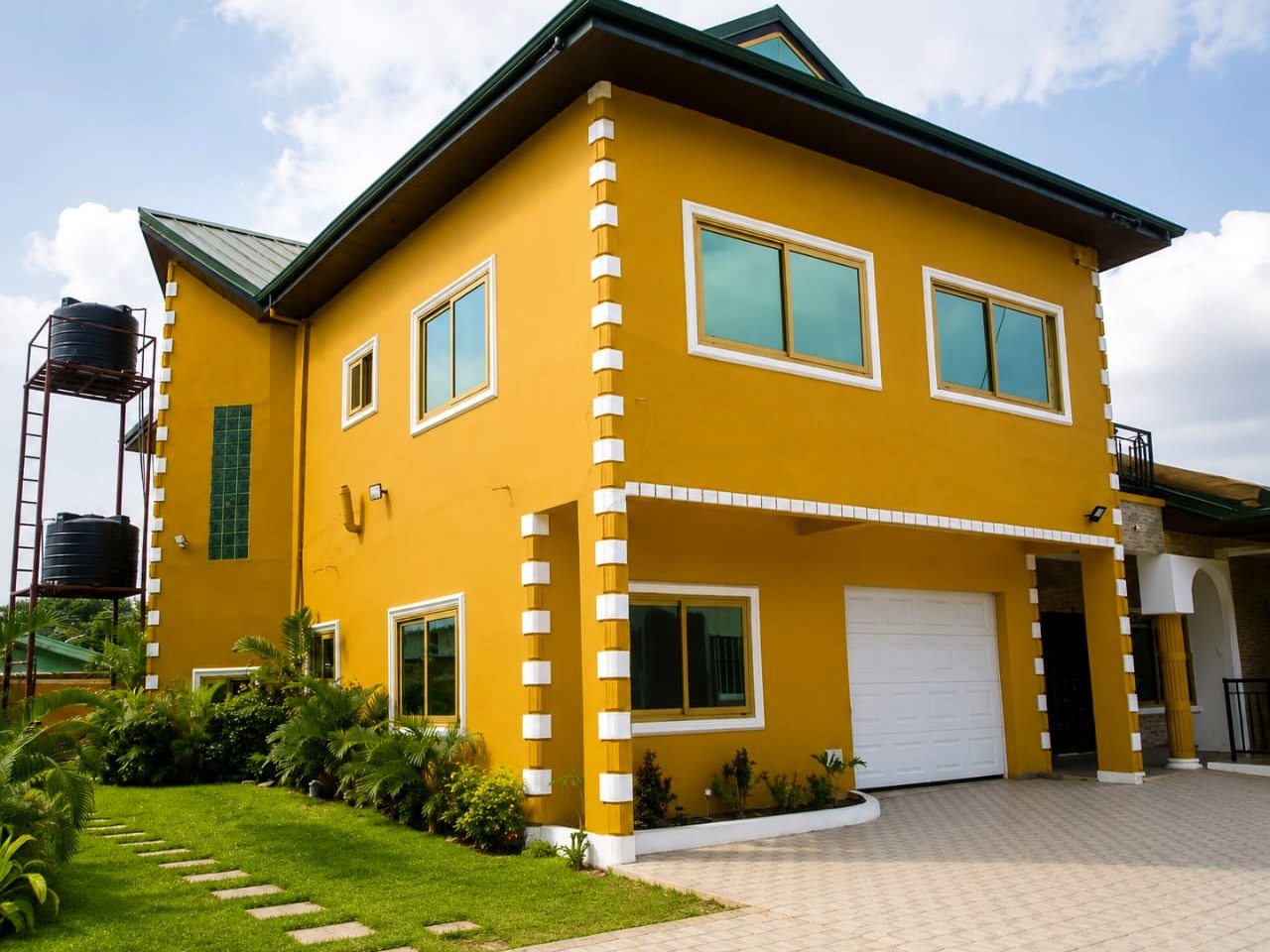
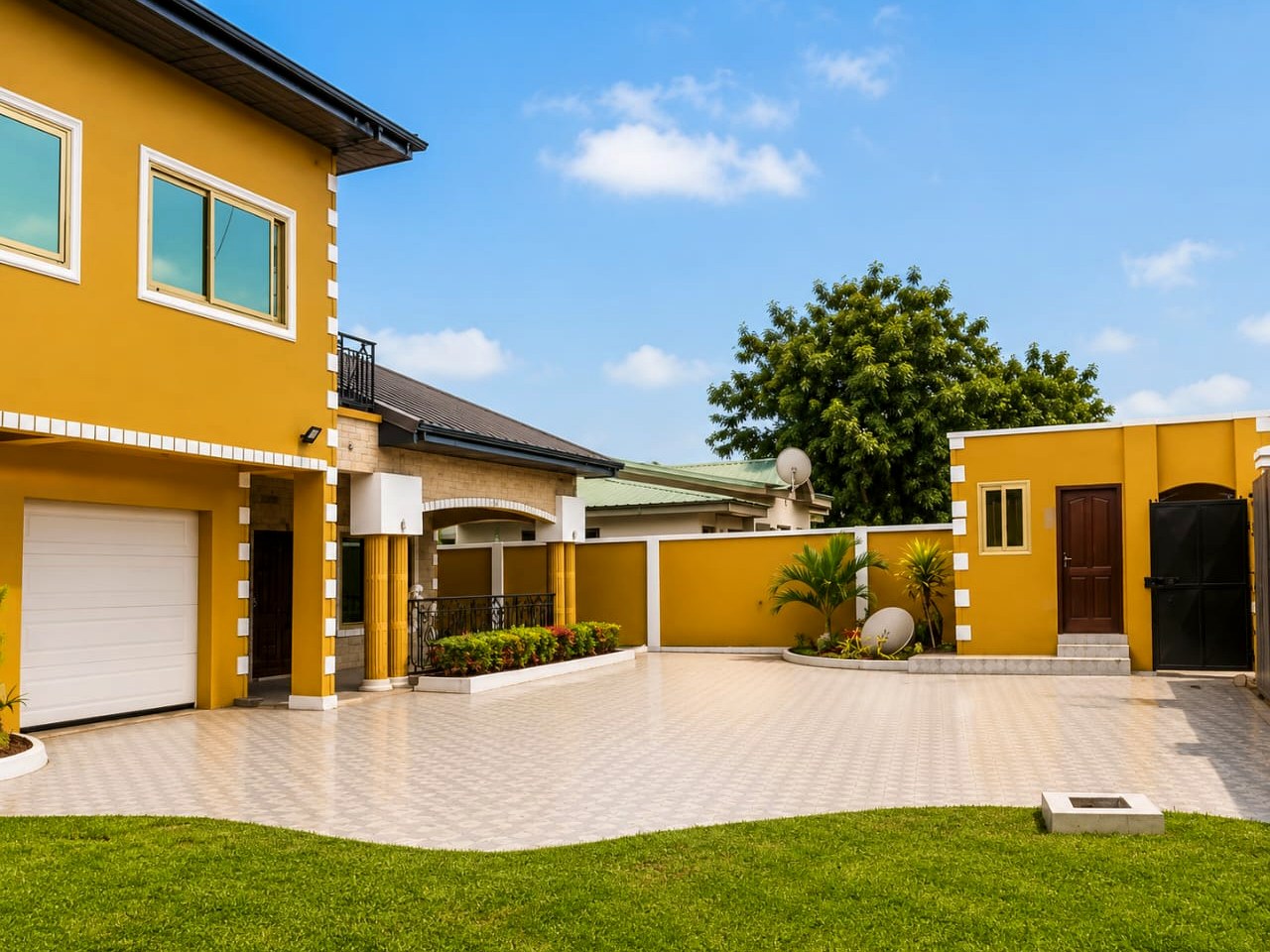
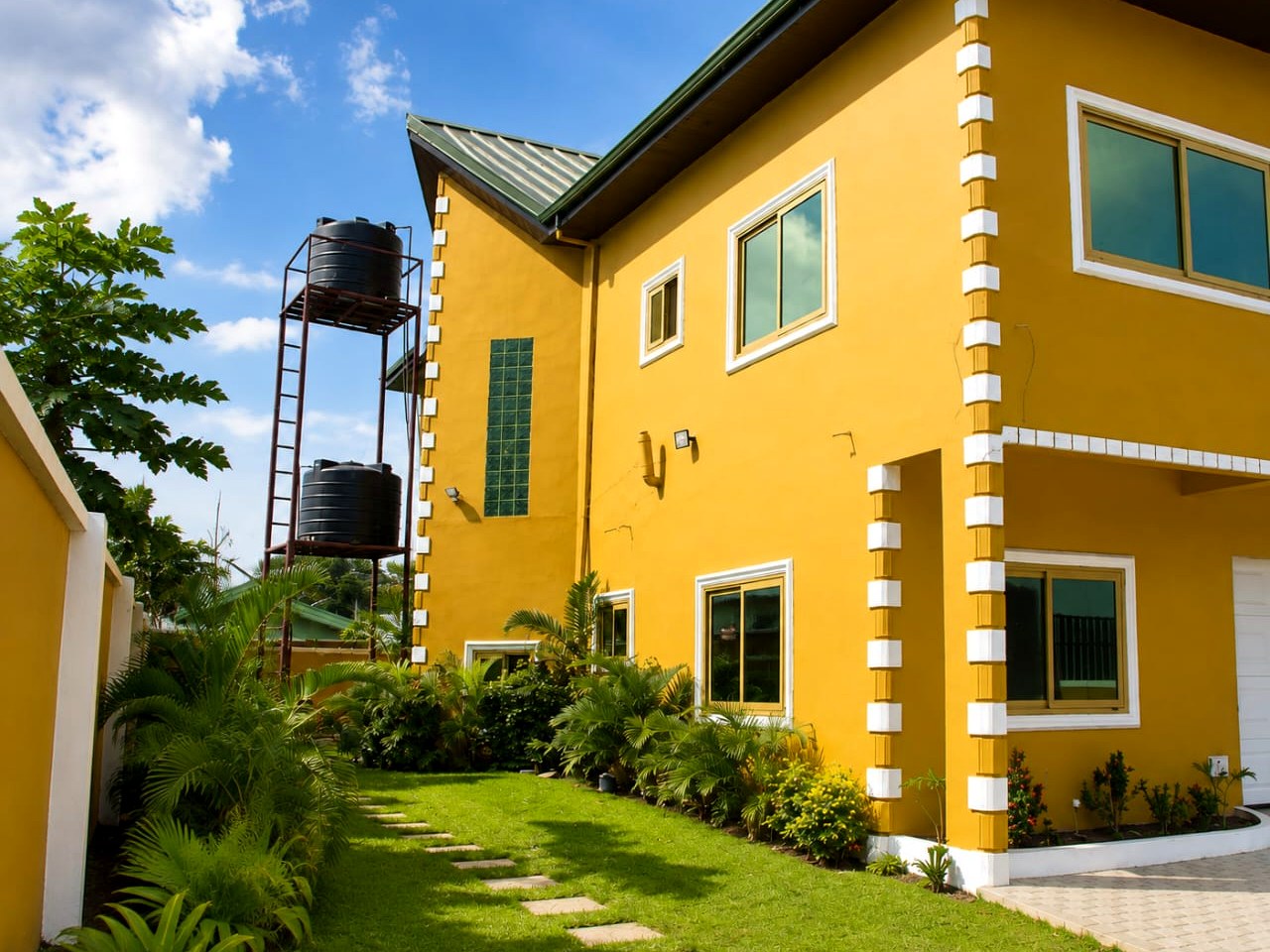
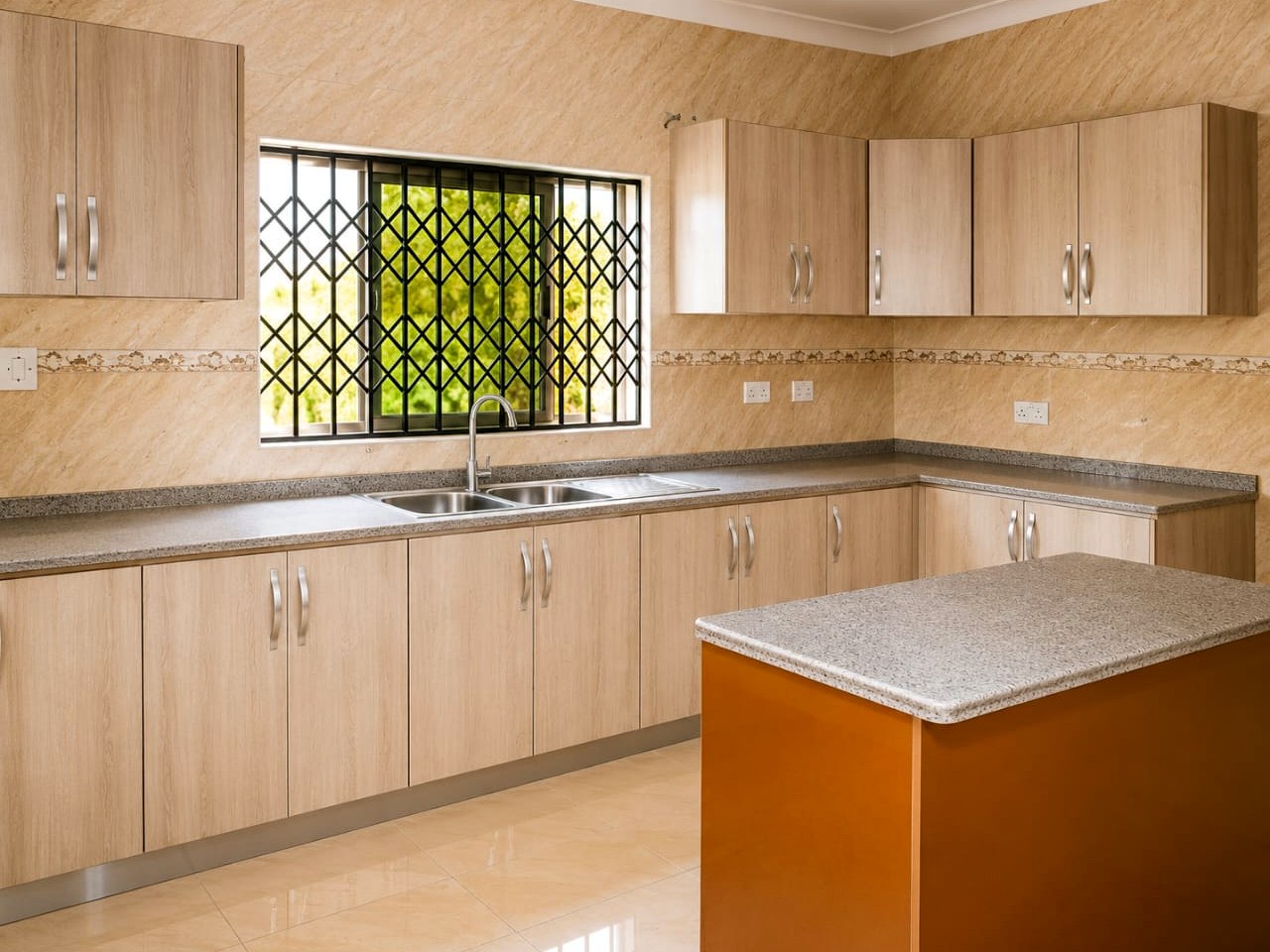
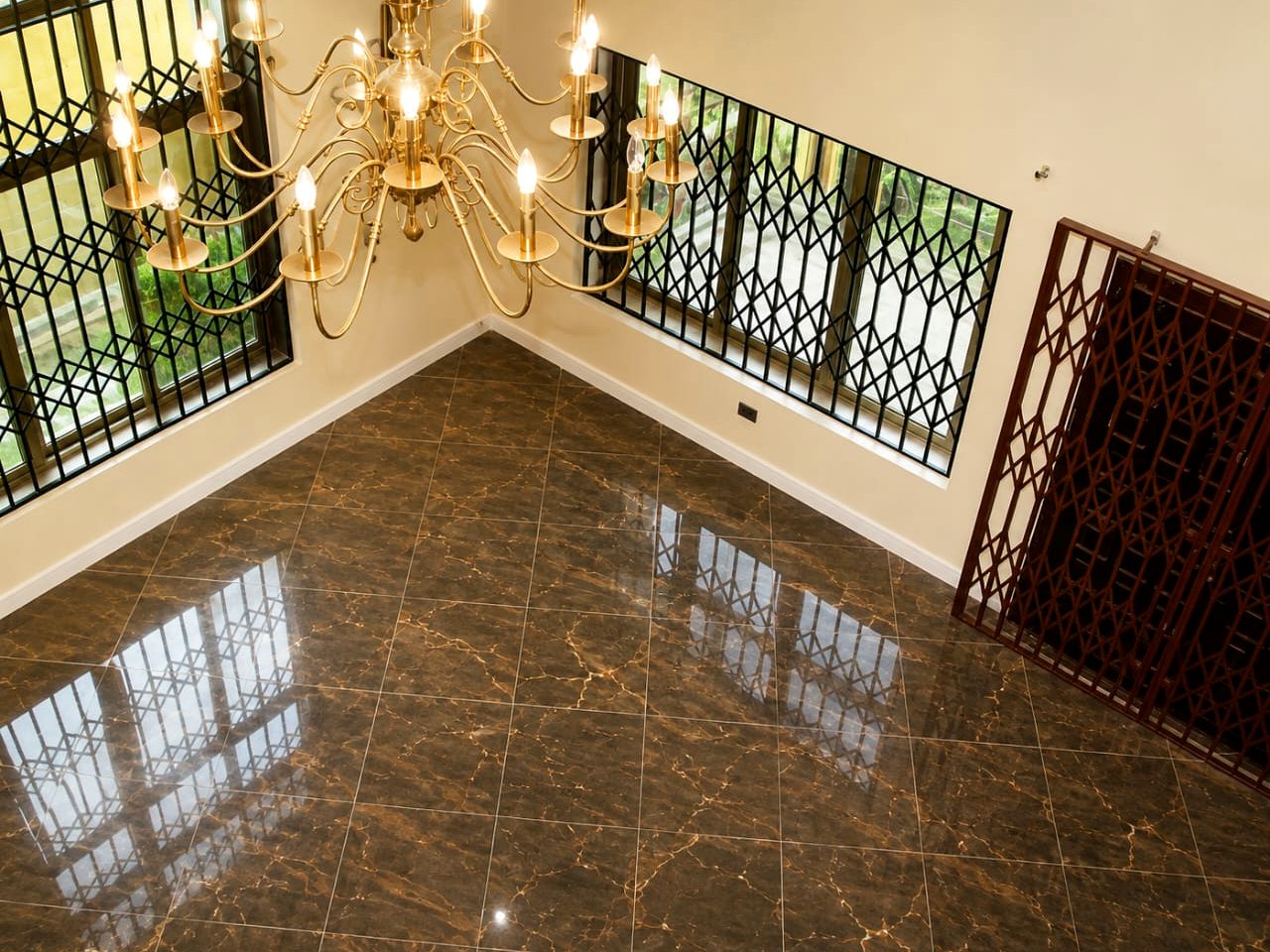
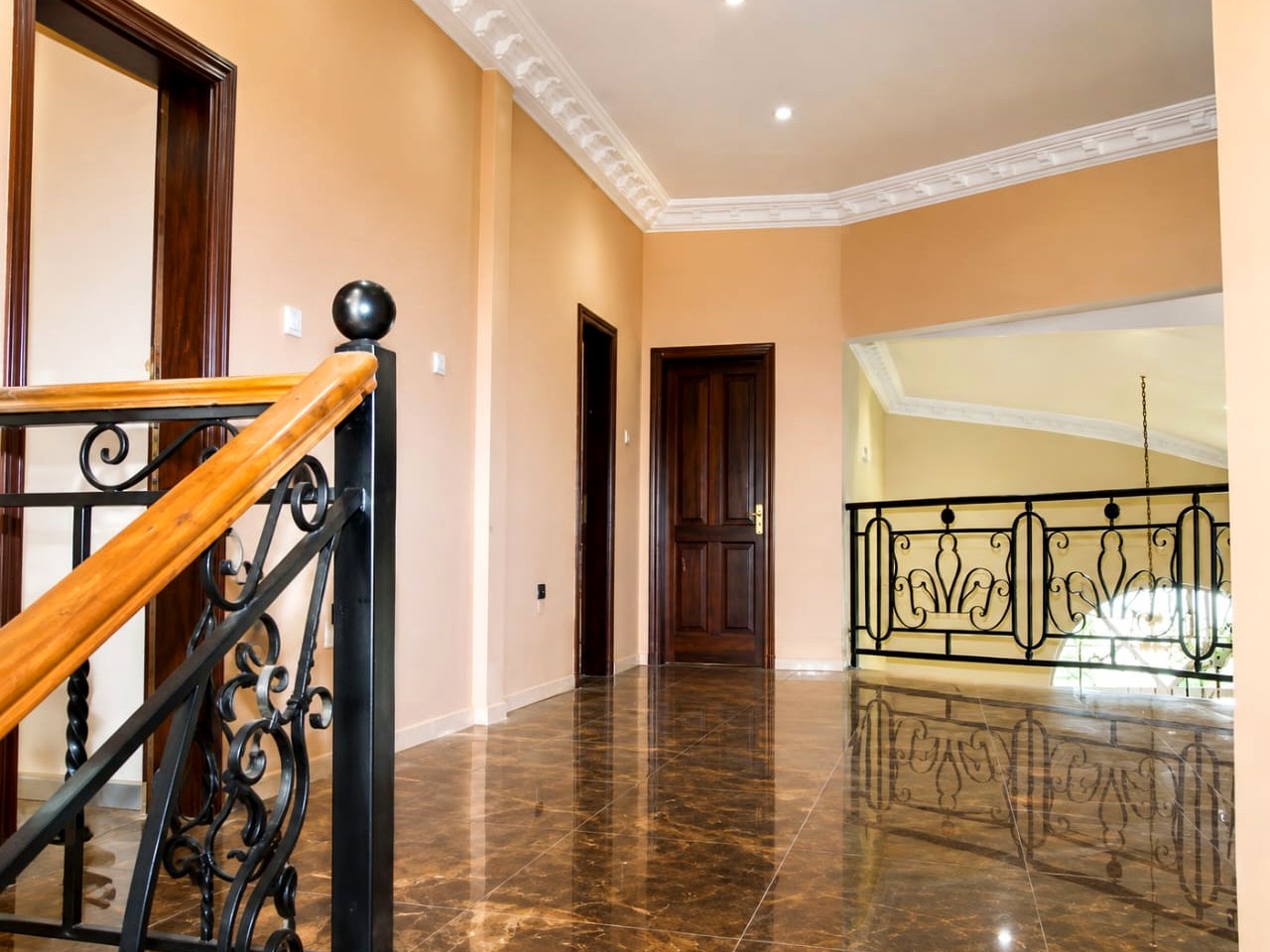
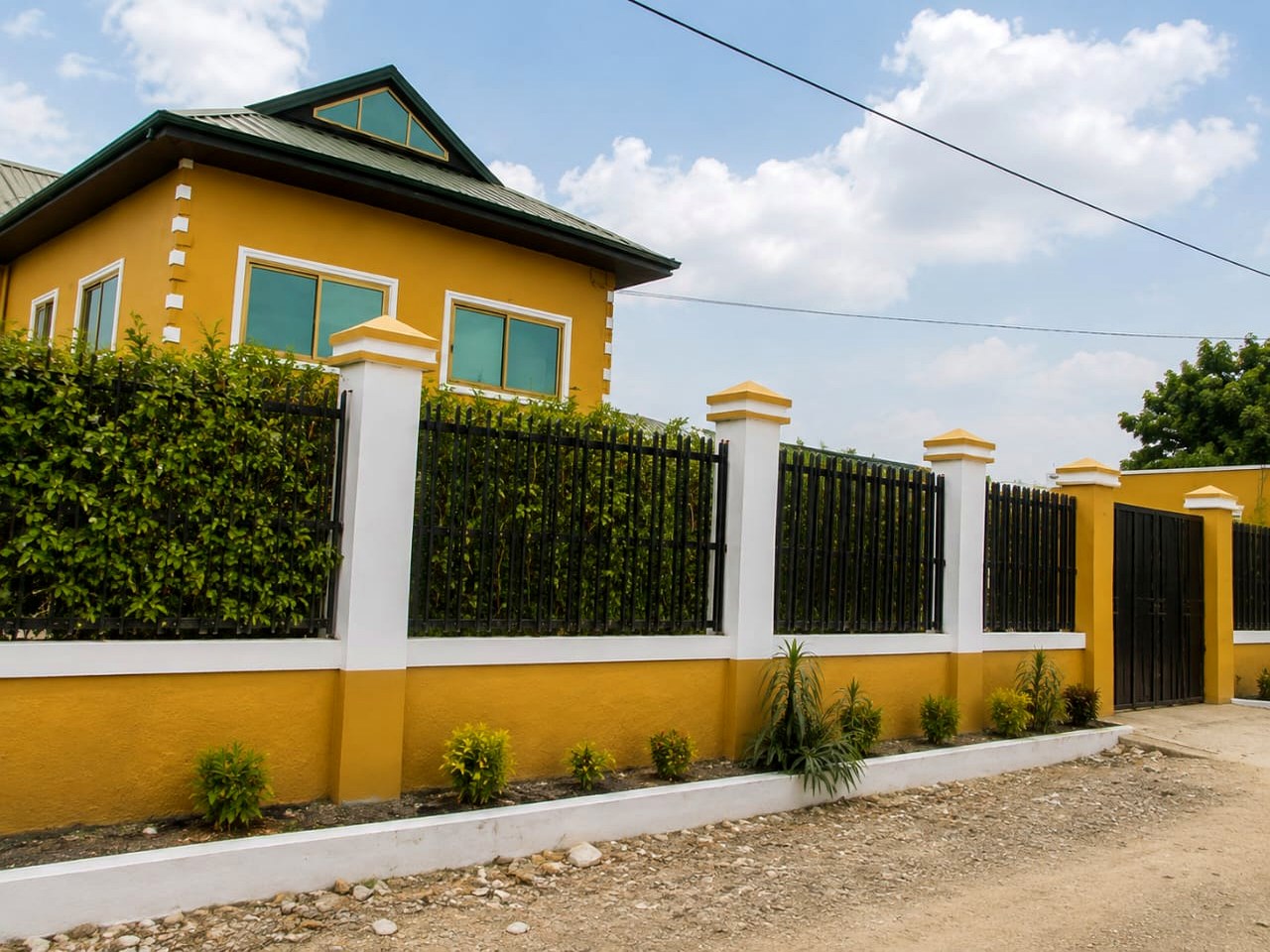
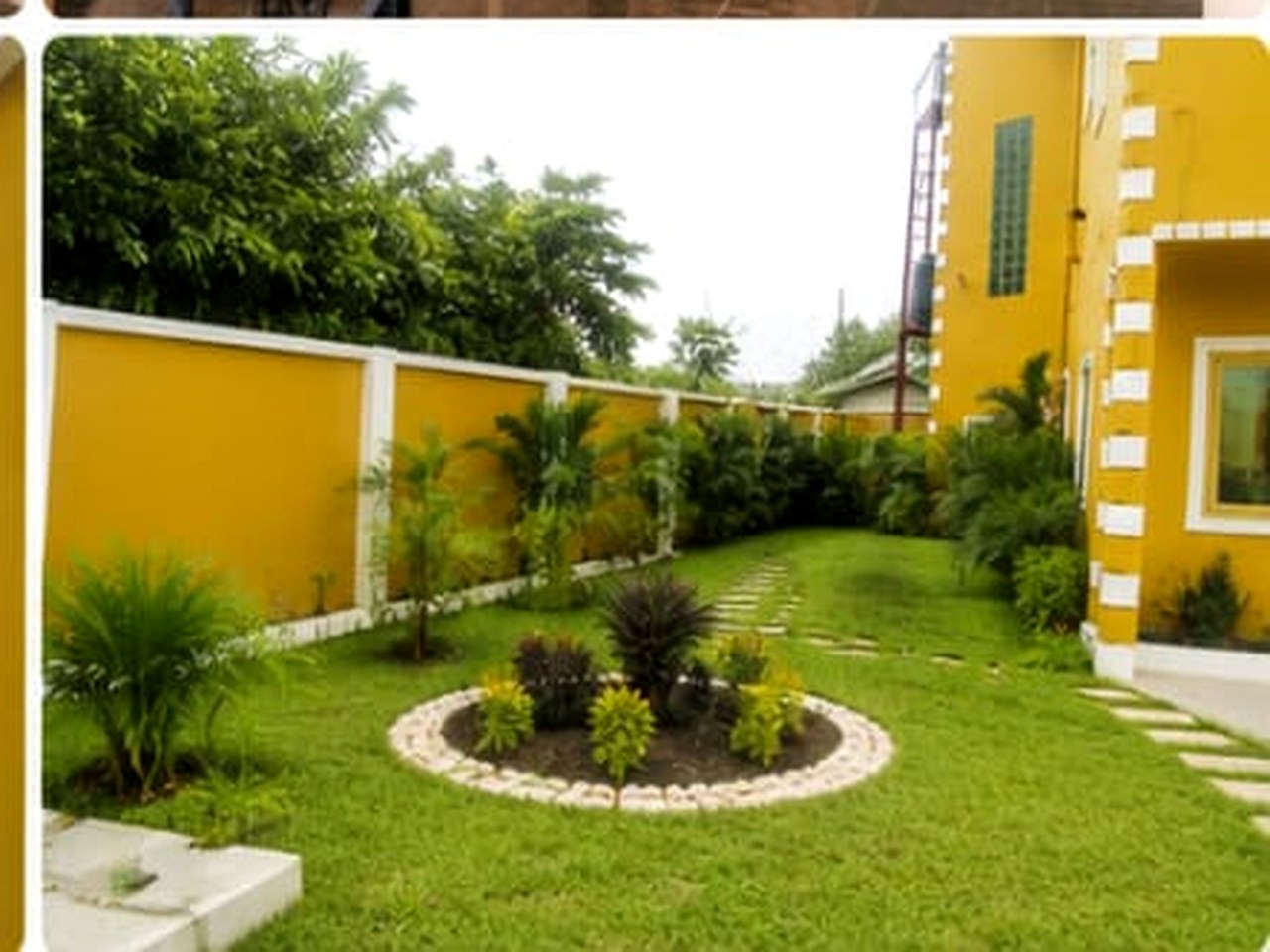
A completed four-bedroom house in the Greater Accra Region — structure, external works, kitchen and finishes. Photographed on site.
For manufacturers in the Netherlands & the United States
Your engineering. Our ground.
Regican Company Ltd is registered in Amsterdam and newly formed, deliberately so: we are building the local execution layer that international modular manufacturers need in West Africa, rather than reinventing systems that already work. Any agreement between us sits under European commercial law — you gain the market without contracting directly into it.
Technical partnership
You provide engineering and design support for a fee. We build to your specification and report defect and non-conformance data back to you quarterly.
Best for early collaboration & pilotsExclusive distribution
Regican becomes your sole distributor in Ghana, or across West Africa, against committed volume targets and agreed technical support levels.
Best for regional entry without local presenceLicensing
We license your product designs and specifications for defined lines, and commit to maintaining your standards as a condition of the licence.
Best for standardised product seriesJoint venture
Shared equity in a project-specific or regional entity, with governance and capital contribution agreed up front.
Best for large estate & institutional programmesYour works
Engineering specifications, licensed designs, structural kits and specialised components leave the Netherlands or the United States.
Sea freight
Containerised shipment booked through forwarders experienced in construction-materials clearance.
Port of Tema
Customs clearance and duty-relief handling under GIPC registration, 30 km from the yard.
Accra yard
Cutting, reinforcement, insulation, MEP rough-in and inspection to your QA protocols, under cover.
Site
Craned onto foundations by our crews across Ghana, with Côte d’Ivoire and Nigeria under assessment.
And back the other way. Defect and non-conformance data returns to you quarterly, so the standard you licensed is a standard you can audit rather than one you have to trust.
What we handle here
- Permitting and compliance — Metropolitan and Municipal Assemblies, EPA, Ghana Standards Authority, GIPC registration.
- Land, clients and contracts — the relationships and local diligence that decide whether a project happens at all.
- Import logistics — containerised shipment through the Port of Tema with experienced forwarders.
- Fabrication and finishing — a dedicated Greater Accra yard, cutting through MEP rough-in under one roof.
- Installation and after-sales — our own crews, supervisor sign-off, maintenance contracts afterwards.
What you get
- Market entry without a subsidiary — a 1.8–2.0 million unit housing deficit served today by a handful of informal converters, reached through an EU-domiciled counterparty.
- Recurring supply and licensing revenue — structural kits, licensed designs, components, or equity and royalty participation.
- A trained local workforce — Ghanaian tradespeople certified to your standards, not expatriate supervision.
- Quality you can audit — your QA/QC protocols, independent inspection, non-conformance data returned.
- A regional platform — Côte d'Ivoire and Nigeria feasibility in the Year 3 roadmap, through one relationship.
What happens next
A thirty-six month plan, not an ambition.
Formation & yard
Incorporation, GIPC registration, funding round closed, one or two anchor international partnerships signed. Greater Accra yard secured, fitted out and equipped; core leadership and first fabrication crew hired.
Pilots & launch
Three to five pilot projects delivered across residential and one institutional segment, refining standard operating procedures and QA checklists. Public launch of the site, configurator and sales pipeline across all segments.
Scale & region
Sixteen to twenty active projects a year, first partner-led training cohort completed, maintenance contracts launched. First government and NGO tender awards, a second regional office, and feasibility work on Côte d'Ivoire and Nigeria.
Where to start
Three conversations, three sets of documents.
Manufacturers
Collaboration models, the pilot proposal, and the supply chain from your works to a Ghanaian site.
Partnership →Investors & lenders
The raise, the use of funds, five-year targets, and the full model and sensitivities in the data room.
Investor brief →Clients
Product catalogue, indicative pricing, site assessment and a fixed-price quotation for your project.
Enquire →Investors & lenders
Raising to build the yard and open the pipeline.
EUR 450,000 to 1,750,000 in growth capital, base case EUR 1,050,000 — roughly EUR 790,000 equity and EUR 260,000 concessional or development-finance debt.
Break-even sits at roughly EUR 1.15 million of annual revenue at a 35% blended gross margin, projected to be crossed during Year 2. Base, downside, upside and currency-stress cases are modelled in full in the business plan.
These are unaudited management projections prepared for planning and fundraising, not a forecast or a guarantee. Actual results will differ. Nothing on this page is an offer or solicitation to buy or sell a security.
| Use of the base-case round | EUR |
|---|---|
| Fabrication yard — lease, structures, equipment | 305,000 |
| Initial container & modular inventory | 245,000 |
| Working capital, first 18 months | 220,000 |
| Vehicles & logistics equipment | 105,000 |
| Marketing & business development | 85,000 |
| Technology — CRM, configurator, client portal | 50,000 |
| Contingency reserve | 40,000 |
| Total | 1,050,000 |
Built in, not bolted on
The sustainability case is structural.
Container and modular construction lowers embodied carbon by design rather than by offset, which also opens green financing lines from institutions such as FMO, the U.S. DFC and the IFC.
Recycled steel base
Decommissioned marine containers repurposed as structural units, cutting demand for new steel and diverting material from scrap.
Less cement
Lighter structural loads and modular foundations reduce concrete consumption against conventional block construction.
Solar ready
Every product line is wired for solar from the design stage, with full packages available as an option.
Rainwater harvesting
Integrated collection and storage across residential and institutional lines, specified before fabrication.
Efficient envelope
Partner-specified insulation reduces cooling load in Ghana's climate, lowering running costs for the occupier.
Skills that stay
Welding, modular assembly, MEP and quality-control training certified in-house, targeting 200+ tradespeople by Year 5.
Frequently asked questions
The questions that come up first.
Do you have completed projects we can visit?
Not yet. Regican Company Ltd is newly formed, and we would rather say so than imply otherwise. What we bring is local execution capability — permitting, land, labour, logistics, installation — paired with engineering standards licensed from established manufacturers in the Netherlands and the United States.
That is why every partnership we propose opens with a documented pilot: a 4–6 unit residential scheme or a single institutional building, with cost, timeline and quality metrics recorded before anyone scales up.
How much does a container building cost?
Standard-catalogue products are quoted at fixed prices generated by our configurator from your size and finish selections. Custom and institutional projects are quoted on a cost-plus basis with a target 30–38% gross margin, reflecting the additional design, engineering and project-management input.
Typical payment terms are 30% on contract signature, 40% on fabrication completion and 30% on handover, with adjusted milestone structures for government and NGO clients tied to disbursement cycles.
Are container buildings suitable for Ghana's climate?
They are, provided the envelope is specified properly — which is exactly why we license insulation and glazing standards rather than improvise them. Partner-specified insulation reduces cooling load in tropical conditions, and the marine-grade steel base structure is designed for salt and humidity exposure from the outset.
The bigger climate advantage is the programme: Ghana's bimodal rainy season routinely halts open-site concrete and blockwork for weeks. Yard fabrication continues regardless.
What permits are involved?
Building permits from the relevant Metropolitan or Municipal Assembly, Environmental Protection Agency clearance, and Ghana Standards Authority requirements for specific project types. Regican Company Ltd is registered in Amsterdam, the Netherlands; delivery in Ghana runs through a locally registered operating entity with Ghana Investment Promotion Centre registration, since permits, commercial import and local employment all require one.
Permitting sits on our side of the contract. It is one of the main reasons an international manufacturer works through a local partner rather than directly.
Can a building be extended or relocated later?
Yes to both, and this is a structural advantage rather than a marketing claim. Modules can be added to an existing building without demolition, so a clinic or a school can grow with its budget. Container units can also be lifted, transported and re-sited — which is why mining and NGO clients favour them for operations that move.
How is quality assured when the work happens off site?
Concentrating fabrication in one supervised facility is what makes quality controllable. All fabrication follows partner-specified QA/QC protocols, supplemented by independent structural inspection aligned with Ghana Standards Authority requirements. A Technical Supervisor signs off each installation against a standard checklist before handover, and defect and non-conformance data is shared with partners quarterly.
How do you handle cedi depreciation?
Imported structural content is priced in euro- or dollar-linked terms wherever possible, with forward contracts on large orders and local sourcing for non-specialised components. Because we report in euros, cedi exposure sits mainly in local labour and materials — which is where a depreciation also lowers our cost. The model re-runs at any rate, and a currency-stress case is included in the sensitivity analysis.
Do you sell or rent finished houses as well as build them?
Both. Alongside construction we sell completed houses, apartments and serviced plots, and we let homes, short-let cabins, offices, retail units and staff accommodation on short or long terms. Title is verified before anything is listed for sale, and every price comes with a written schedule of what it includes.
Buying land and building on it can be handled as one transaction and one quoted figure, which is usually what diaspora buyers want — a single point of accountability instead of a separate land agent, architect and contractor.
What are you looking for in a manufacturing partner?
Container-home manufacturers, modular construction firms, steel fabricators and sustainable building-technology companies in the Netherlands and the United States who want West African market access without establishing local operations. Four collaboration models are open — technical partnership, exclusive distribution, licensing, or joint venture.
Get in touch
Tell us what you need built — or what you want to build with us.
Send the note below and we will reply with the relevant material: product catalogue and pricing, the partnership term sheet, or the full business plan and financial model.
Opens in your email client · No data is stored on this site
- Partnerships & investment
- partnerships@regicancompany.com
- Projects & quotations
- projects@regicancompany.com
- Telephone
- +31 6 81750662
- Registered office
- Lontarpalmstraat, 1104 DL Amsterdam, the Netherlands
- Operations
- Greater Accra Region, Ghana
- Coverage
- Greater Accra, Ashanti, Western and Central Regions today; Côte d'Ivoire and Nigeria under assessment.